
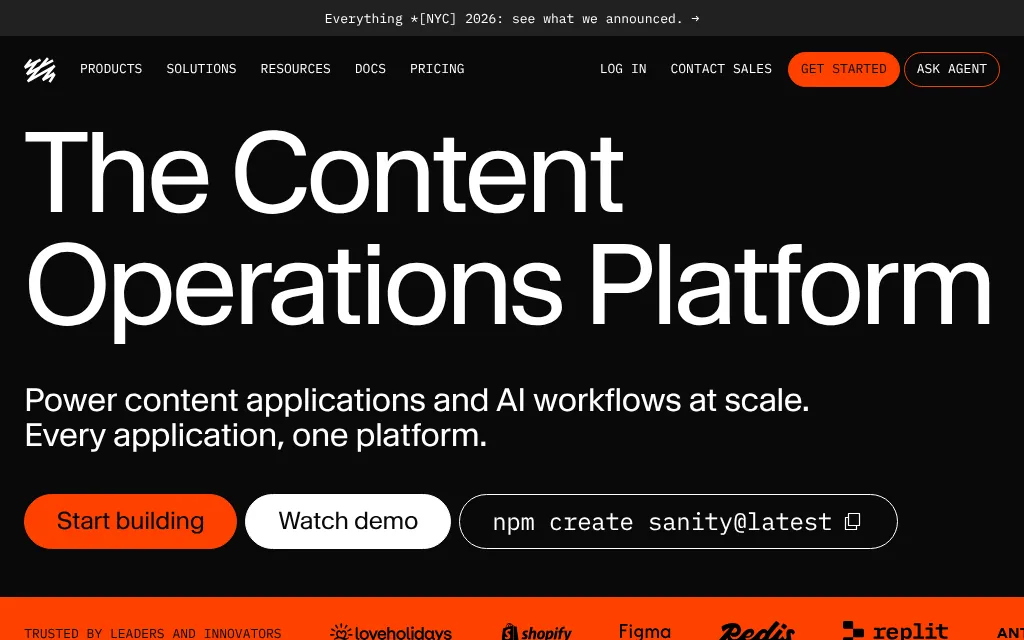
Hosted headless CMS with a GROQ API and an open-source React Studio
EXPLORE THE DIRECTORY
Headless CMS.
Headless CMS platforms that store your content and serve it to any front end through an API, from open-source CMSs you host yourself to Sanity's hosted content cloud. Plans and prices checked by the Tailkits editors.
 ShadcnblocksSPONSOREDshadcn/ui blocks, components and 21 Next.js and Astro templates via the CLI
All CMS platforms
6 products Reviewed by the Tailkits editors. No votes, no rankings.
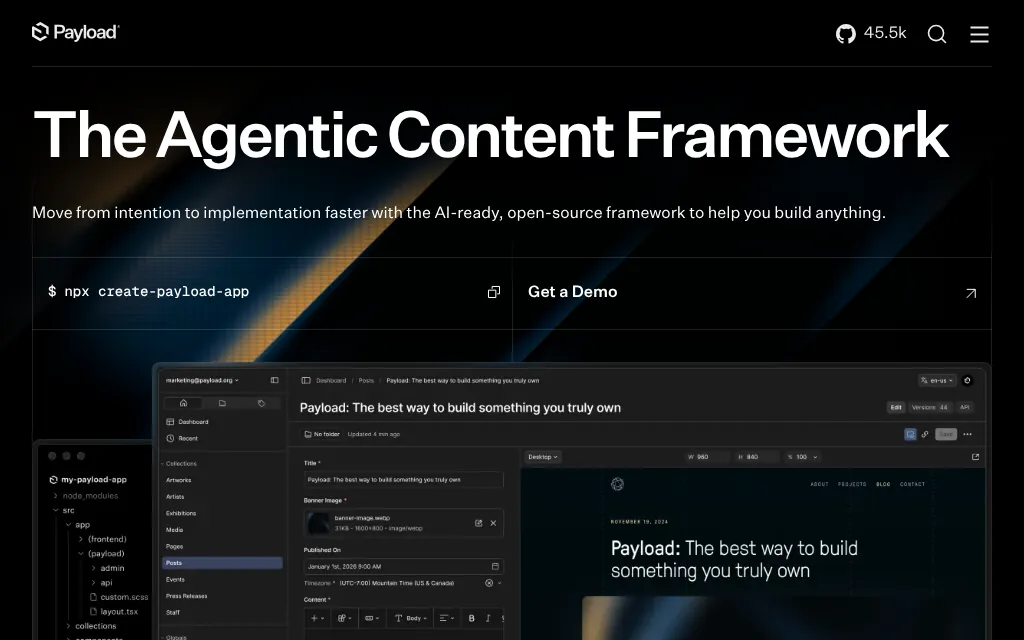
Code-first TypeScript CMS that runs inside your Next.js app, MIT licensed
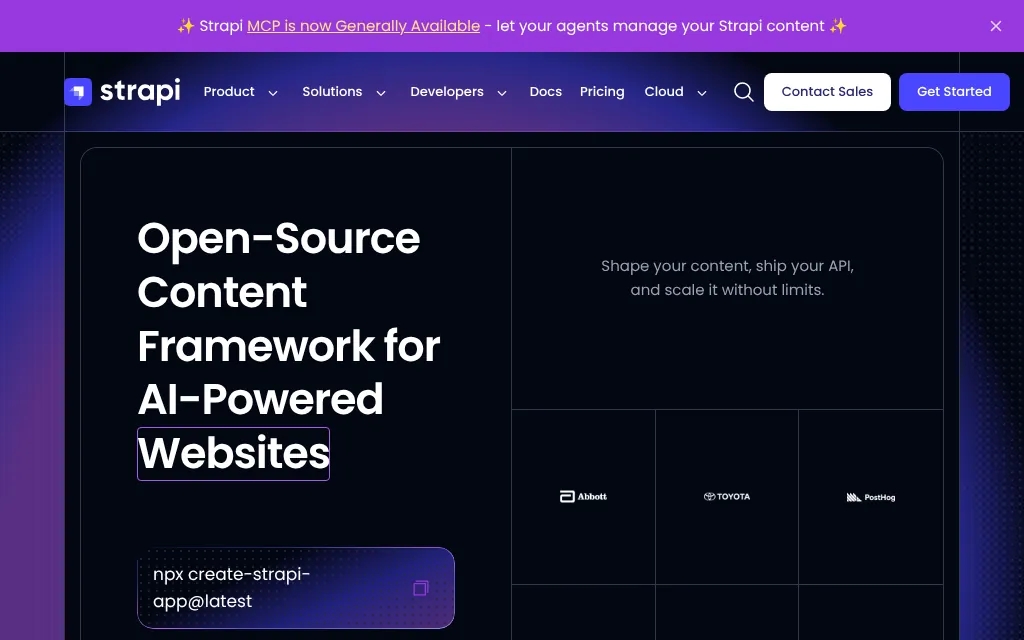
Open-source Node.js headless CMS with a visual schema builder and REST API
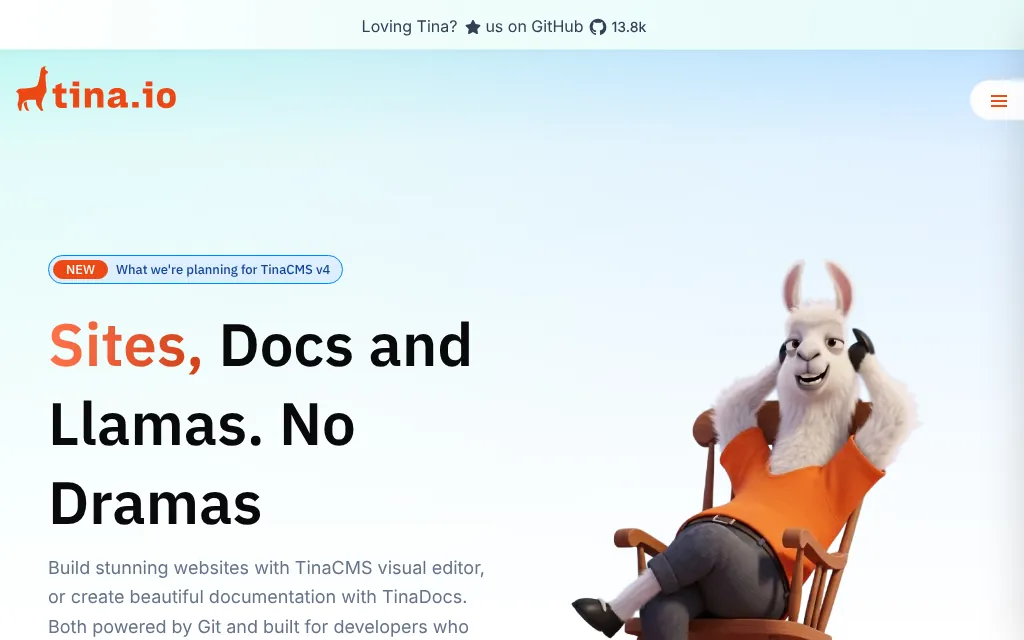
Git-based Markdown and MDX CMS with click-to-edit on Astro and Next.js pages
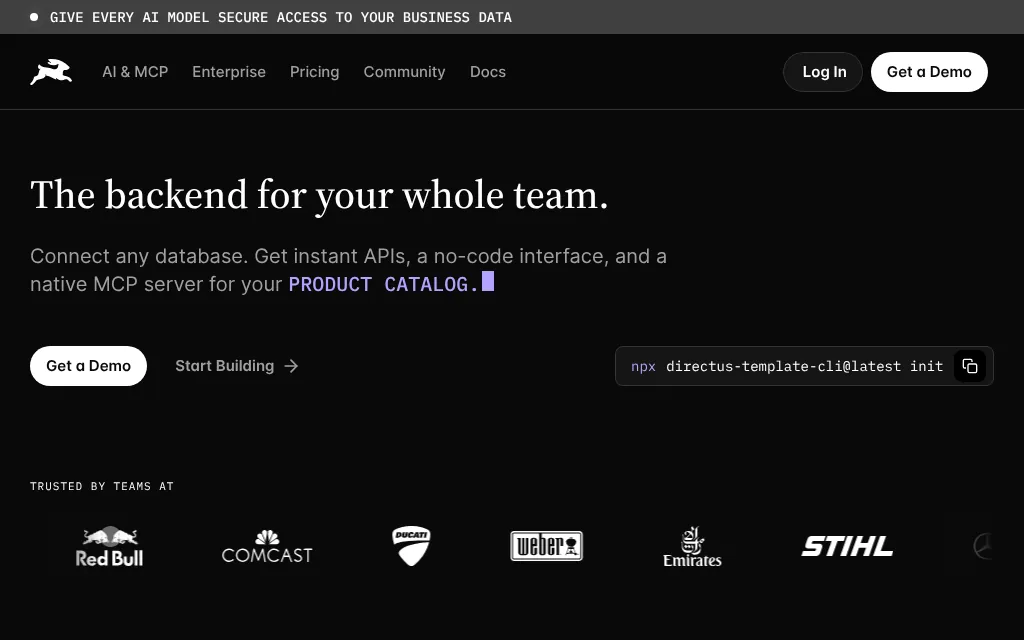
Headless CMS on your own SQL database; free self-hosting capped at 3 users
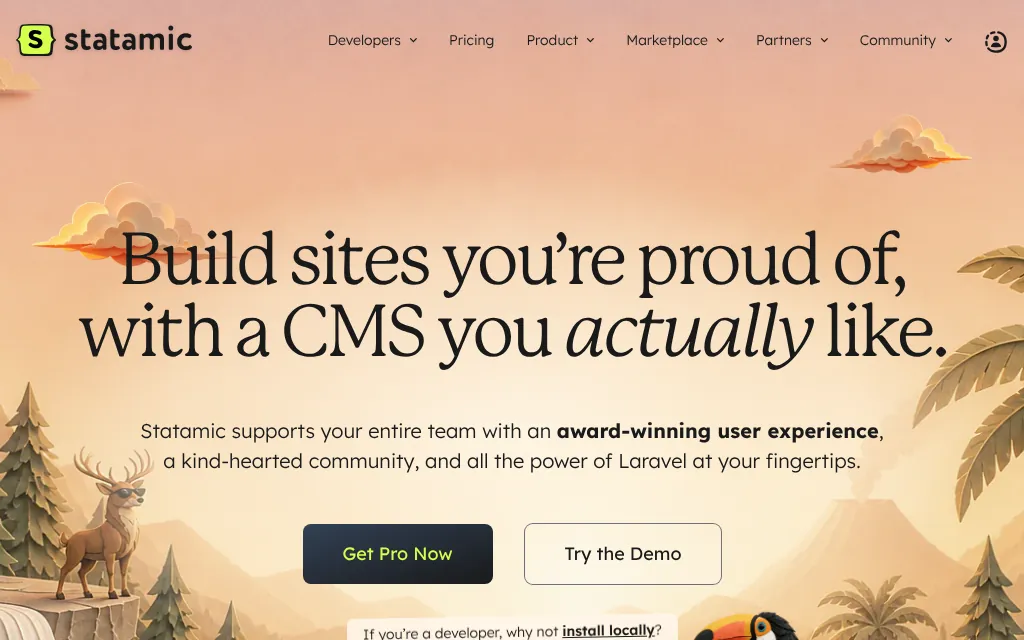
Flat-file Laravel CMS that saves entries as Markdown and YAML in your repo
Nothing here. Yet.
Try a different search or clear a filter to find what you need.
A little less searching. A little more building.
Built something good? Submit a productHow to choose a headless CMS
A headless CMS stores your content and serves it through an API, so the same content can feed a website, an app or both. The biggest choice is where your content lives.
In your own database: Payload runs inside your Next.js app and is configured in TypeScript. Strapi is a self-hosted Node.js CMS with a visual schema builder. Directus adds APIs and an admin app to a SQL database you already have.
In a hosted cloud: Sanity keeps content in its own hosted database, which you query with GROQ, and lets you customize the editor in React.
In your Git repository: TinaCMS and Statamic save content as Markdown files, so every edit is a reviewable change. TinaCMS adds click-to-edit to Astro and Next.js pages; Statamic is built on Laravel.
Then compare how editors preview changes, the license and user limits when you self-host, and how the price grows with your content and team.